
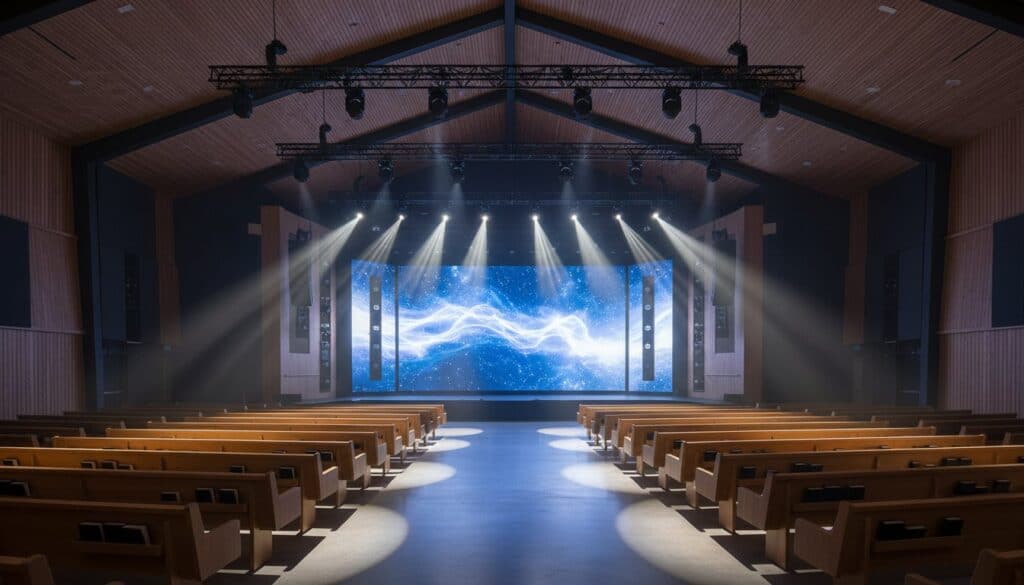
Organizations that frequently host events or meetings in their own space often face recurring issues with temporary audiovisual setups. The costs of renting equipment add up, and the risk of technical failures or inconsistent quality from one event to the next can create unnecessary stress for staff. Shifting to a permanent AV installation provides a reliable, long-term solution, but the process requires careful planning to ensure it meets your specific operational needs.
The Shift from Temporary Rentals to a Permanent System
For many venues in Southern Ontario, from corporate boardrooms in Toronto to community centres in the Waterloo Region, there is a clear tipping point where owning a dedicated AV system becomes more practical than renting. A permanent installation integrates professional-grade audio, video, and lighting equipment directly into a building’s infrastructure. Unlike a residential home theatre, these commercial systems are designed for durability, frequent use, and consistent performance in a professional environment.
Calculating the Return on Investment
The initial capital cost is a significant consideration, but the long-term financial and operational benefits often outweigh it. A permanent system eliminates the recurring expense of equipment rentals and the associated labour for setup and teardown before every event. This leads to a predictable budget and a reduction in coordination time for your team.
Furthermore, a professionally installed AV system can increase a venue’s utility and value. A space that is properly equipped for high-quality presentations, hybrid meetings, and corporate events becomes more versatile and attractive for both internal use and potential external rentals, generating a direct return on the initial investment.
Why a Permanent System Reduces Operational Risk
Temporary setups, with their portable cables and components, introduce multiple points of failure. A fixed system minimizes these risks by using structured wiring and securely mounted equipment that is calibrated for the specific room. This results in a stable technical environment that works the same way every time.
This consistency also benefits your staff. Instead of learning a different setup for each event, they can become proficient with a single, familiar interface. This builds confidence and reduces the chance of user error during a critical meeting or presentation. A permanent installation becomes a core, reliable part of your venue’s operational infrastructure.
Designing a Permanent Installation for Your Space
A successful permanent installation is built on a clear understanding of how you intend to use the space. The design process is a collaborative effort to align the technical capabilities of the system with the practical communication goals of your organization. It is not about chasing trends, but about building a functional tool that serves you for years.
The process begins with a technical audit of the facility to assess factors like room acoustics, ambient light, and existing structural or electrical limitations. From there, a system is engineered using professional-grade components designed for continuous commercial operation, ensuring reliability far beyond what consumer-grade equipment can offer.
Key Components: Audio, Video, and Lighting
A well-designed system integrates three core elements that work together to create a functional environment. Each component is selected and placed based on the unique needs of the room.
- Audio: Sound systems in commercial spaces are designed for vocal clarity. Whether in a large hall or a small boardroom, the goal is to ensure every word is heard clearly without feedback or dead spots. This involves careful selection and placement of microphones, speakers, and processing equipment.
- Video: Visual systems can range from discreetly integrated projectors to high-impact LED walls. The right choice depends on the room’s size, lighting conditions, and primary use case. The focus is on delivering a clear, bright image that is easily visible to everyone in the audience.
- Lighting: Professional lighting does more than just illuminate a room; it directs focus and sets a professional tone. A permanent lighting installation can provide functional task lighting, highlight presenters, and adapt to different event types, all controlled from a simple interface.
The Installation Process: From Plan to Power-On
A structured process ensures the installation is completed efficiently and with minimal disruption to your operations. It typically involves three main stages:
- Needs Assessment and Site Survey: The first step is to identify your goals and the physical requirements of the space. This includes mapping out power distribution, structural mounting points, and cable pathways.
- System Design and Drafting: Based on the assessment, detailed plans and wiring diagrams are created. This documentation provides a clear blueprint for all stakeholders, including architects and other contractors, ensuring the AV system is properly integrated into the building’s design.
- Professional Installation and Commissioning: Technicians install all equipment, manage cabling, and program the system. The final step, commissioning, involves thoroughly testing every component to confirm it works as intended before handing it over to your team.
Ensuring Reliability and Long-Term Support in Southern Ontario
The value of a permanent installation is measured by its long-term reliability. This depends not only on the quality of the equipment but also on the availability of local support and a clear plan for maintenance and future upgrades.
Having a technical partner based in Southern Ontario means faster response times when support is needed. An expert who understands the local context, from Cambridge to Toronto, can provide more effective and timely service. The goal is to empower your team to use the system confidently while knowing that professional help is nearby if required.
Post-Installation Support and Training
A successful handover goes beyond simply turning the system on. It includes providing your staff with the training and documentation needed to operate it effectively. We create straightforward user guides and offer hands-on training sessions tailored to your team’s technical comfort level.
To ensure continued performance, we also offer scheduled preventative maintenance plans. Our approach is built on clear communication and financial predictability. We provide all-in, transparent pricing on our projects, and our work is backed by our Comfort Warranty, ensuring you have a clear picture of your investment without hidden costs or surprises down the line.
Planning for Future Needs
Technology evolves, and your organization’s needs may change over time. A well-designed permanent system is modular, allowing for future expansion or upgrades without requiring a complete overhaul. For example, a system installed today should be ready to integrate the streaming capabilities needed for virtual and hybrid events tomorrow.
By planning for the future from day one, you ensure your permanent AV installation remains a valuable asset for your organization, capable of adapting as you grow.
Frequently Asked Questions
What is the difference between commercial and residential permanent installations?
Commercial installations use professional-grade equipment built for heavy, continuous use and are designed to meet specific business needs like clear audio for presentations or reliable video for hybrid meetings. Residential systems are designed for entertainment and are not built to the same standards of durability or performance required in a corporate or institutional setting.
How long does a typical professional AV installation take to complete?
The timeline varies depending on the project’s complexity and whether it is part of a new build or a retrofit. A simple boardroom setup might take a few days, while a large-scale installation in a performance hall could take several weeks. A clear timeline is established during the design phase.
Do we need to upgrade our electrical system for a permanent lighting or sound install?
It depends on the scale of the system. Part of the initial site survey includes assessing your current electrical capacity to determine if any upgrades are needed to safely support the new equipment. This is identified and planned for early in the process.
What kind of maintenance is required for a permanent AV system?
Regular maintenance typically includes cleaning components like projector filters, testing connections, and performing firmware updates. A scheduled preventative maintenance plan is the best way to identify potential issues before they can impact an event.
A well-designed permanent AV installation provides long-term stability and value for your venue. By focusing on a clear process, professional-grade equipment, and local support, you can build a technical environment that serves your organization reliably for years to come. To discuss your venue’s needs, start your permanent installation journey with a technical audit from Straight Street.